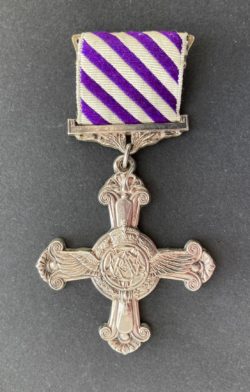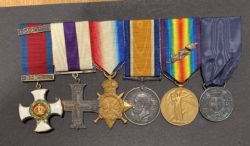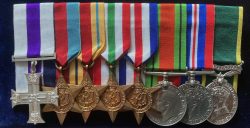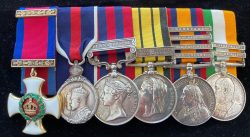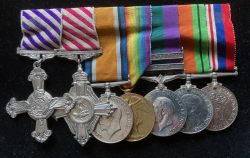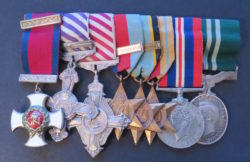
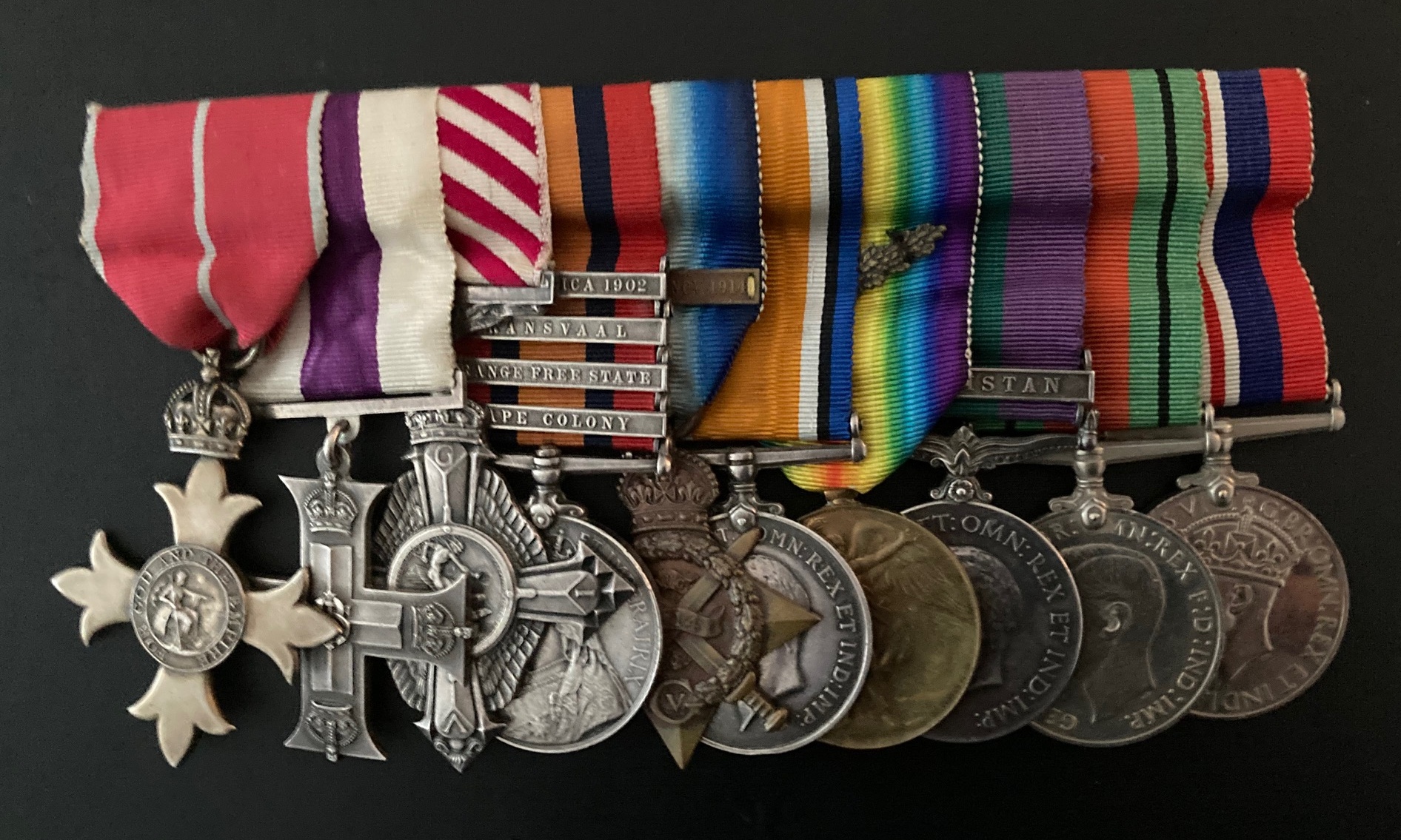
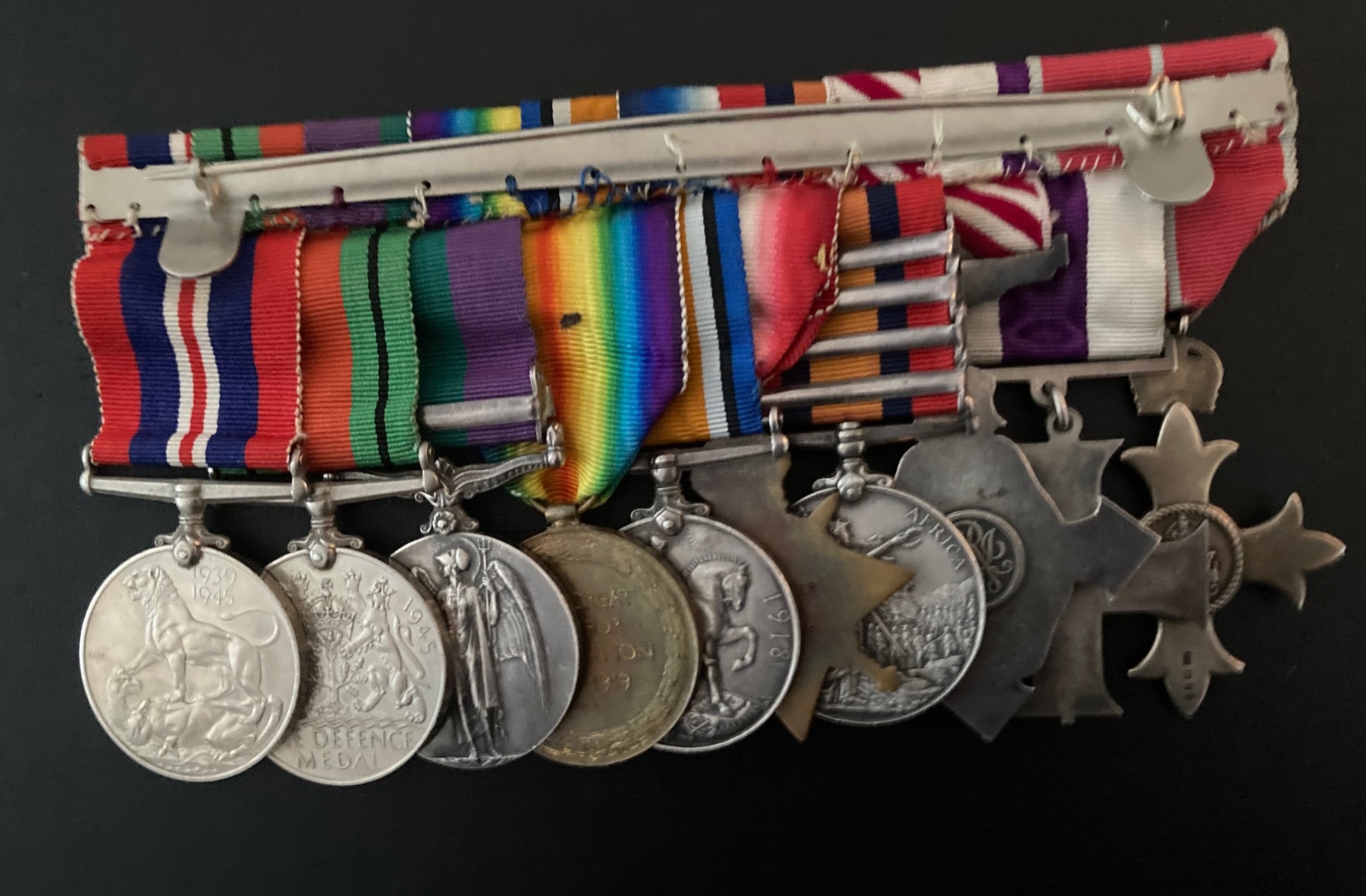
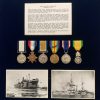
O.B.E. 1st. type Military, M.C. (GV), A.F.C. (GV), Q.S.A. 4 clasps, C.C., O.F.S., Tr., S.A.1902 (Pte. R. Irish F.), 1914 Star & Bar (Pte. R. Ir. Fus.), B.W.M. Victory (MID) (Capt. R.F.C.), G.S.M. clasp Kurdistan (S/L. R.A.F.), Defence Medal, War Medal.
Albert James Butler
O.B.E. (Military), L.G.1/1/1923 to be dated 28/12/2022 (One of 2 OBE to the RAF for Ireland)
‘For devotion to duty in command of the Royal Air Force squadron (commanding 2 Sqdn.) affiliated to the 6th Division. He carried out close and effective co-operation with the Army in Ireland.’
M.C. L.G. 18/2/1915, Company Sergeant Major, Royal Irish Fusiliers. For services in 1914. The inaugural gazetting of the Military Cross, The first MC of the war to the Regiment.
A.F.C. L.G. 1/1/1919
M.I.D L.G. 17/2/1915, French’s Despatch of 20/11/1914
1/4/1918 temp Captain, M.C. R.A.F
promoted Substantive Major L.G 1/1/1919 ‘ In recognition of distinguished service.’ Permanent rank of Major. 1/8/1919
Served in France from 22/8/1914. Commissioned in the field 15/1/1915 (War Diary refers) and posted to A Company. In so being of the first NCO’s to be so rewarded
At the outbreak of the First World War, the 1st Battalion was part of the British Expeditionary Force, and fought in many of the early battles of the war including those at Mons, Le Cateau, the Marne, and the 1st Ypres battle in 1914
To. RFC L.G. 12/12/1916
Commanded. 2 Squadron 16/8/1920- 15/5/1922
Ret. 28/10/1927
Albert James Butler. Of St. John’s , Salford, Manchester, and residing with his grandmother enlisted 4th R. Lancs Militia,, 20/2/1900 ‘apparent age 17’ though according to the 1891 Census was actually 15, being born 1885 Rhyl, North Wales, residing with his grandmother, who was born in Dundalk, Ireland. Transf. To the Regular Army with the Royal Irish Fusiliers, 28/11/1900. The realities of the Regular Army appeared not to suit as the following month Butler deserted and was ‘run’ until April, 1901, He spent 11 days in the guardroom and then sentenced to 28 days imprisonment for desertion and losing by neglect his equipment
As 2. Lieut. R. Irish Fus was wounded by grenade shrapnel, near Ypres,
From ‘Reckless Fellows and Gentlemen of the Royal Flying Corps’
‘In 1919 prior to returning home, pilots from across the Empire came under the command of Major James Butler, officer commanding the Harlaxton Repatriation Camp. Butler was a lifelong soldier who had started his military career in the ranks. He was born in Manchester and served in the South African War with the Royal Irish Fusiliers. Staying in the Army he attained the rank of company sergeant major and joined the BEF. In 1915 he was awarded his MC, giving him the distinction of appearing in the inaugural list one month after he was promoted to one of the first commissions won in the field. In 1916 having fought on the Somme in the infantry , he transferred into the RFC in August and ended the year back in France flying over the line with number 53 Squadron. Eventually in 1918, having survived ‘Bloody April’ and the battle of Cambrai in 1917, he was made flight commander in No. 16 Squadron, Home Establishment.’
In 1921 he was appointed to command No. 2 Squadron in Ireland based at a fortified airstrip on Army co-operation duties earning one of two awards of the OBE for services in Ireland to the RAF.
Posted from RAF Depot to RAF Headquarters, Iraq, 14 September 1922. To No.216 Squadron, Egypt, 16 January 1925. To No.4 Flying Training School, Abu Sueir, 10 February 1926. Retired 28 October 1927. Recalled to service, 28 September 1939 to 23 May 1946. died c. 1955
Mounted as originally worn