-
×
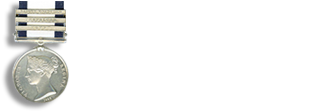
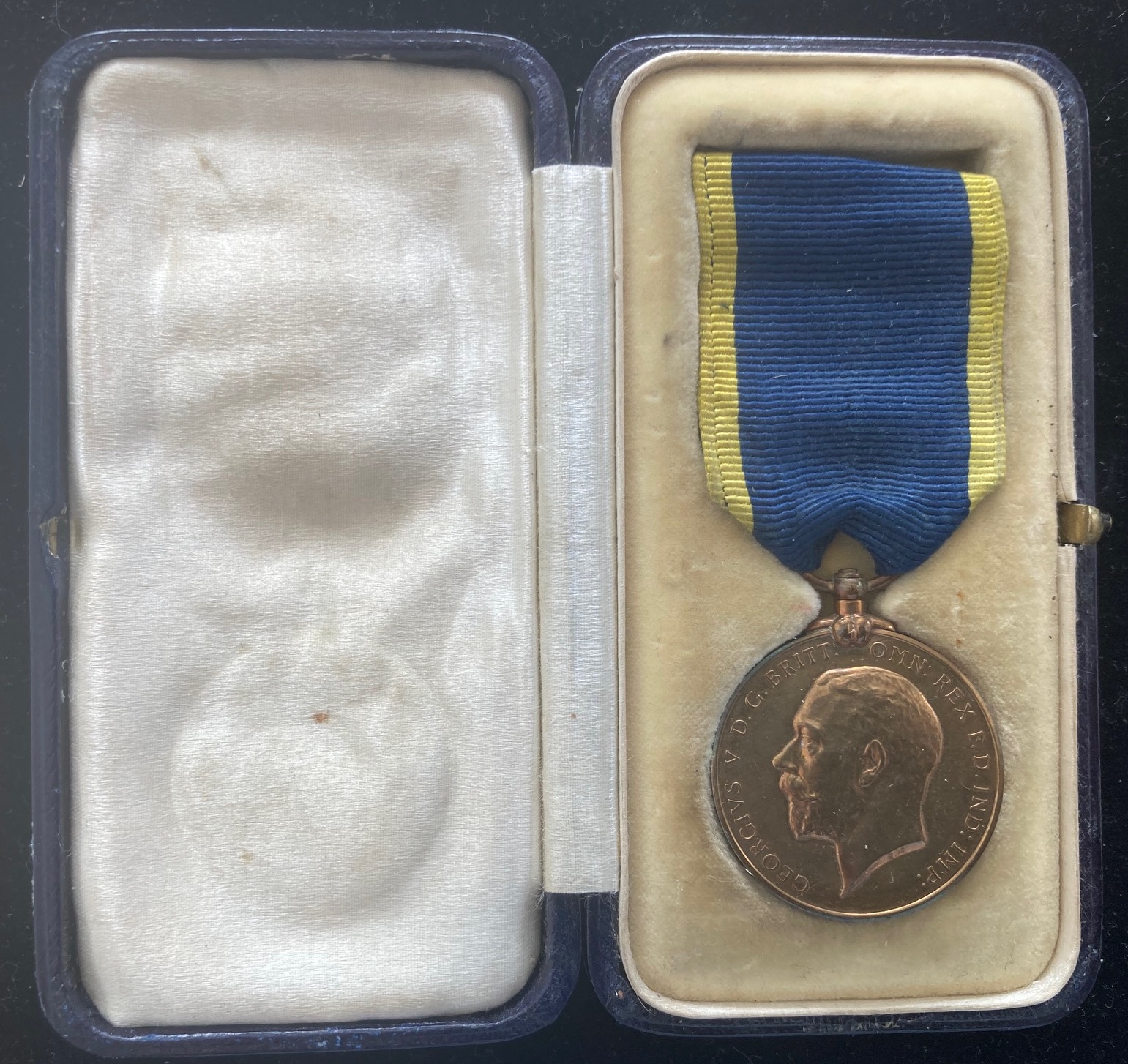
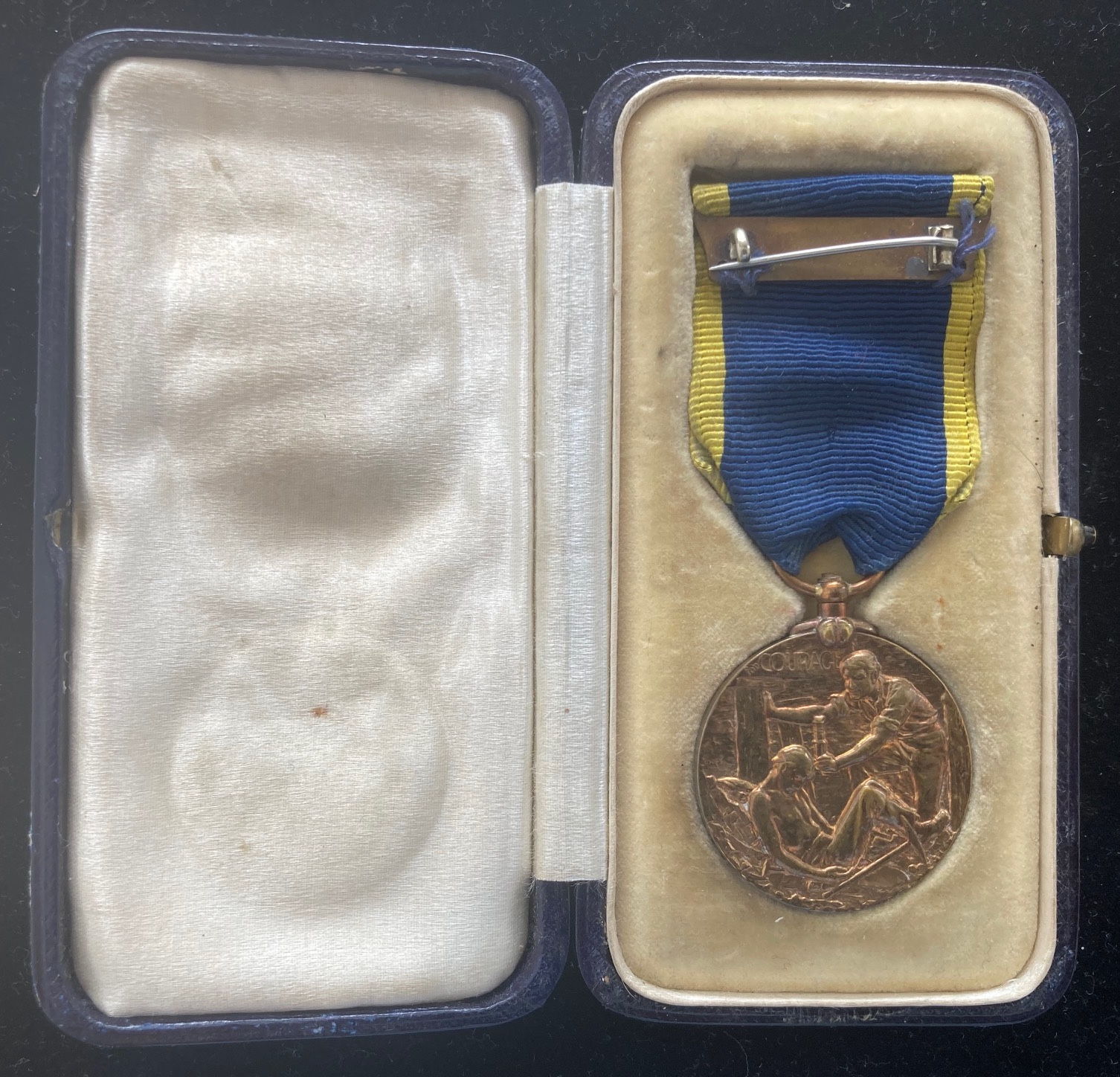
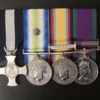
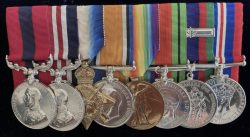
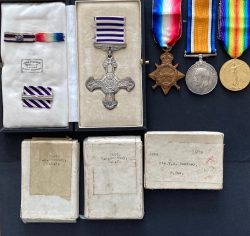
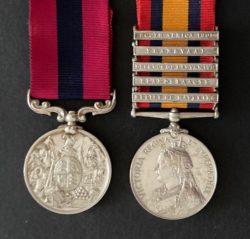
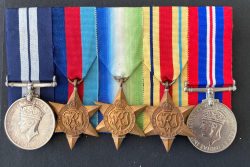
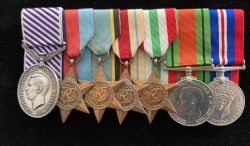 D.F.M. group, a fine group covering service with 22 (Beauforts), the top secret 1474 Flight (anti radar) becoming 192 Sqdn. One of the crew in March 1941 which attacked a convoy sinking a 5000 tonner by torpedo at 50 foot height. One of 6 aircraft detailed for the torpedo attack on Gneisnau at Brest in which P/O Cambell won a posthumous Victoria Cross in alone pressing home a suicidal torpedo attack. Later served with the top secret Flight 1474 embedded within Bomber Command raids and tasked with'cracking' the secrets of German Radar
1 × £2,750.00
D.F.M. group, a fine group covering service with 22 (Beauforts), the top secret 1474 Flight (anti radar) becoming 192 Sqdn. One of the crew in March 1941 which attacked a convoy sinking a 5000 tonner by torpedo at 50 foot height. One of 6 aircraft detailed for the torpedo attack on Gneisnau at Brest in which P/O Cambell won a posthumous Victoria Cross in alone pressing home a suicidal torpedo attack. Later served with the top secret Flight 1474 embedded within Bomber Command raids and tasked with'cracking' the secrets of German Radar
1 × £2,750.00
Subtotal: £2,750.00